


This Isn’t a Boom or a Bust — It’s a Reset
If the housing market feels harder to read than usual, you’re not imagining it.
Some homes are selling quickly. Others, even well-prepared and well-priced ones, are sitting longer than expected. Buyers seem interested but hesitant. Sellers feel uncertain about timing. And national headlines don’t always match what’s happening on the ground.
That disconnect has left a lot of people wondering the same thing: Is the market about to take off… or slow down further?
The reality is less dramatic — and more nuanced.
This housing market isn’t heading into a boom or a bust. It’s going through a reset.
This Isn’t a Boom or a Bust — It’s a Reset
After several years of extremes, the housing market is recalibrating.
The pandemic-era surge, followed by sharp interest rate increases, created conditions that weren’t sustainable long term. Rapid price growth, limited inventory, and urgency-driven decisions eventually gave way to hesitation, affordability pressure, and uneven activity.
What we’re seeing now is the market settling into something more balanced — but also more selective.
A reset doesn’t mean prices are collapsing or demand has disappeared. It means:
- Fewer emotional decisions
- More time to evaluate options
- Greater sensitivity to price, condition, and location
- Outcomes that vary widely from one area — or even one neighborhood — to the next
This is why the market can feel contradictory. Stability and uncertainty are happening at the same time. Movement hasn’t stopped, but it’s more deliberate. Confidence hasn’t vanished, but it’s cautious.
In a reset, timing alone matters less than preparation, and headlines matter less than local conditions.
Pressure Is Easing — But It Hasn’t Disappeared
One reason this reset feels confusing is that some of the pressure points that defined the past few years are easing — just not all at once, and not everywhere.
Mortgage rates are no longer climbing the way they were, and while they’re higher than the unusually low rates many people grew accustomed to in recent years, they’re not historically extreme — and that growing stability matters. Even without dramatic drops, steadier rates give people something they haven’t had in a while: the ability to plan.
At the same time, inventory has improved compared to the tightest years of the market. Buyers are seeing more options, and sellers are facing more competition. That shift alone changes behavior. When choices increase, urgency fades, and decisions become more deliberate.
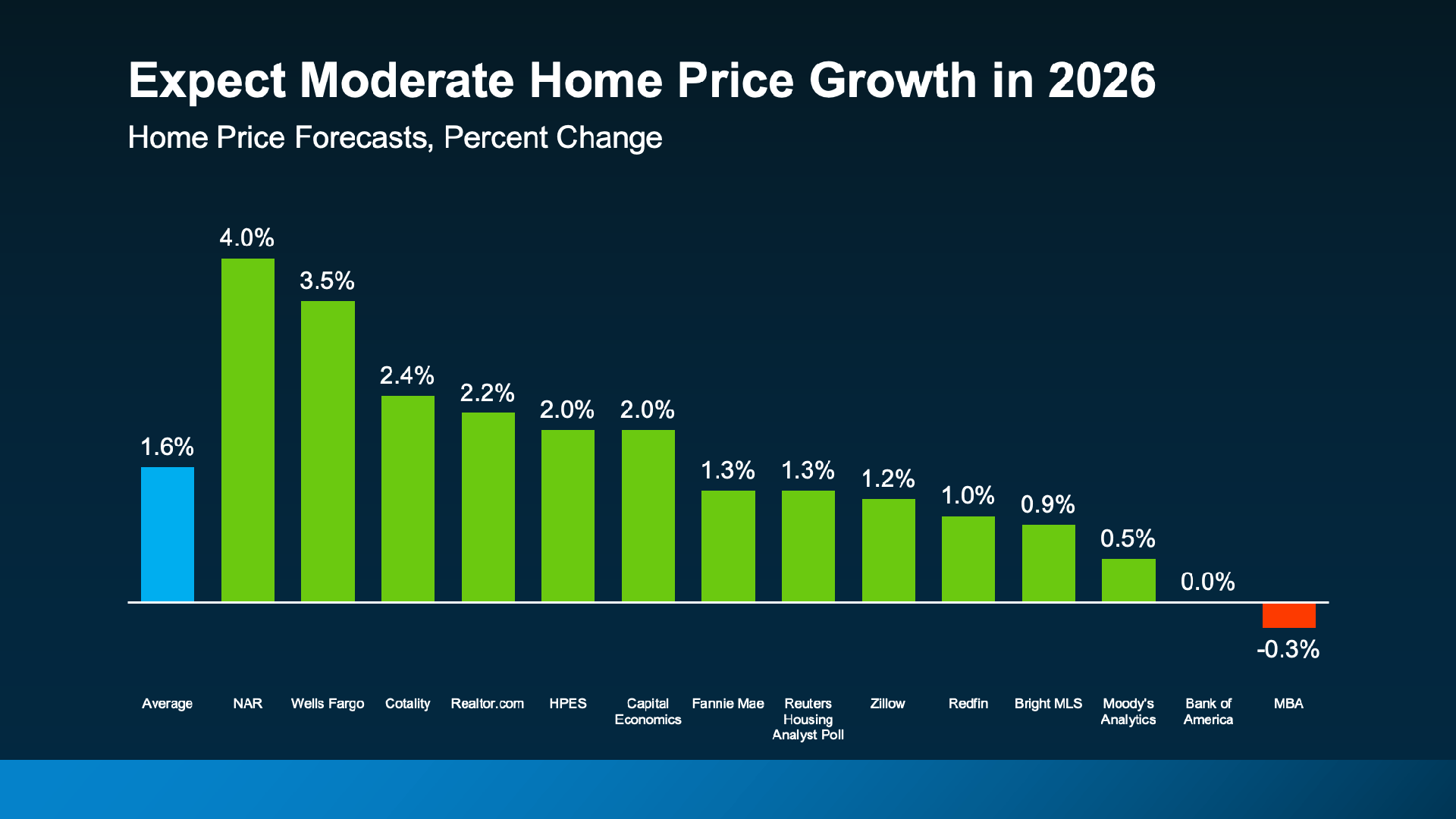
Price growth has also cooled. Nationally, prices aren’t surging the way they once were, which has taken some pressure off buyers — and forced sellers to pay closer attention to how their homes are positioned.
But easing pressure doesn’t mean pressure is gone.
Affordability is still a challenge for many households. Monthly payments remain sensitive to even small changes in rates, and higher price points feel especially exposed in a slower, more selective market. That’s why the reset can feel inconsistent: some segments are adjusting smoothly, while others are still working through friction.
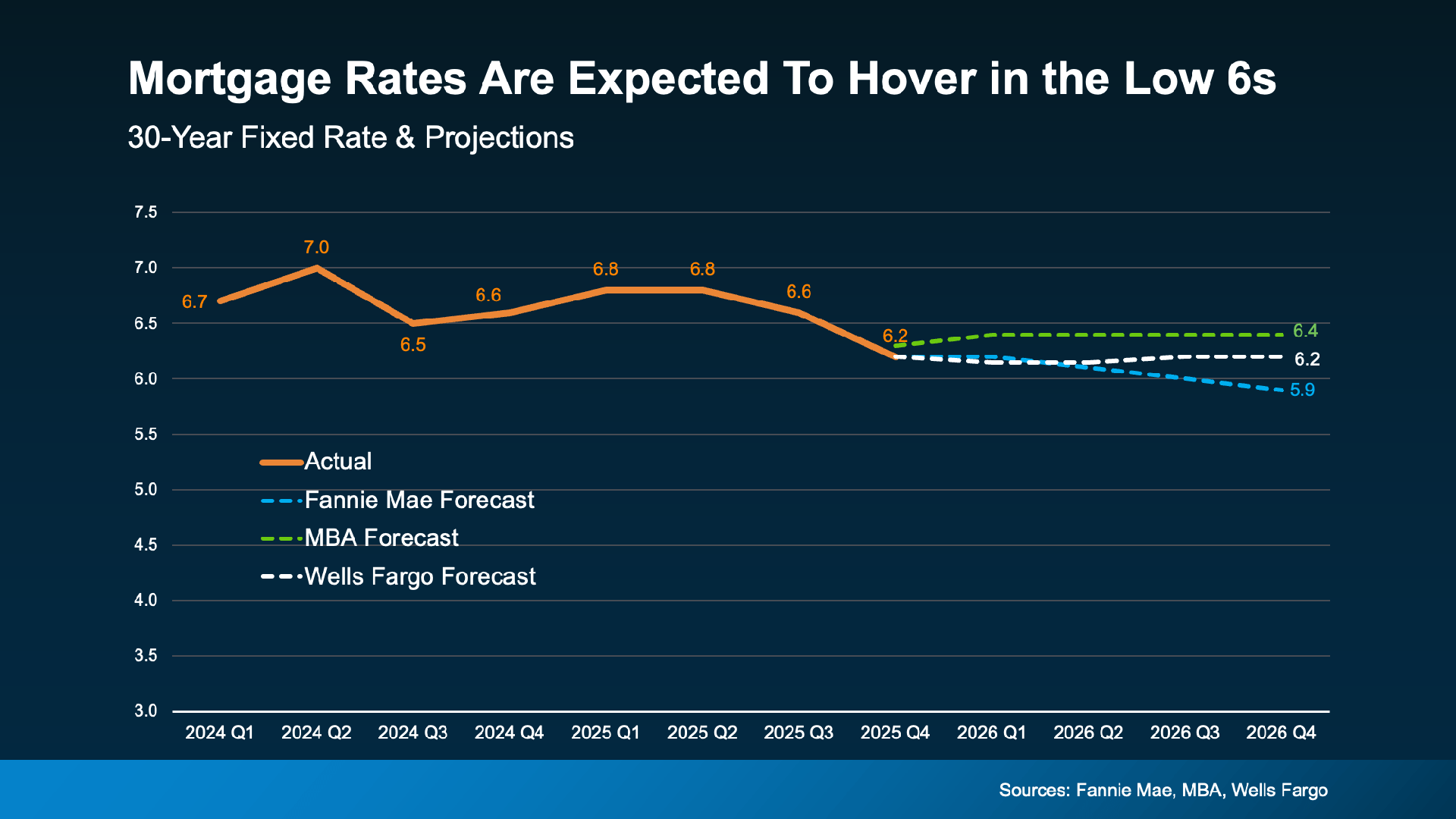
This combination — steadier rates, more inventory, and slower price growth — doesn’t signal a return to the past. It signals a market learning how to function without extremes.
Why More People Are Preparing — Not Rushing
What’s especially notable in this reset is how behavior is changing.
Rather than rushing to act, more buyers and sellers are quietly preparing. Buyers are watching the market more closely, running numbers, and reassessing what feels comfortable. Sellers are paying closer attention to pricing, condition, and timing — often gathering information and assessing options before making firm decisions.
This shift doesn’t always show up clearly in transaction counts or headlines, but it’s very real. Planning activity is increasing even when movement remains measured.
That’s an important distinction. A market can feel slow on the surface while momentum builds underneath. In this phase, confidence doesn’t return all at once — it returns in stages, through preparation rather than urgency.
This is why the market can feel calm one week and active the next. When conditions line up — the right home, the right price, the right level of certainty — buyers are still willing to move. They’re just far less willing to force it.
Why National Forecasts Only Tell Part of the Story
National housing forecasts can be helpful, but they also flatten reality.
Most forecasts rely on averages — average price growth, average rates, average inventory levels. What they don’t capture well is how widely outcomes can vary from one region to the next, or even from one neighborhood to another.
That’s especially true in a reset market.
Some areas are adjusting smoothly, with steady activity and balanced conditions. Others are experiencing slower movement, more price sensitivity, or longer decision timelines. Price range, home condition, and local employment trends matter more now than they did during faster, more uniform markets.
This is also where expectations can diverge. A national headline might suggest stability, while a local market feels sluggish — or vice versa. Both can be true at the same time.
Understanding the broader context helps explain why these differences exist. But understanding how they show up locally is what actually shapes decisions.
What This Reset Means for Buyers and Sellers
A reset market doesn’t come with a single playbook. Instead, it rewards clarity, preparation, and realistic expectations.
For buyers, this environment often means more breathing room. There’s typically more time to evaluate options, fewer pressure-driven decisions, and a greater ability to walk away when something doesn’t feel right. At the same time, selectivity matters. Homes that align with buyer expectations still draw attention, while others may require patience or adjustment.
For sellers, the reset places more emphasis on strategy than timing. Pricing, condition, and presentation matter more than they did during faster markets. While demand hasn’t disappeared, buyers are more discerning, and homes are being compared more carefully against alternatives.
For both sides, the common thread is deliberateness. Decisions are being made with more context and less urgency. That can feel uncomfortable at first, especially after years of extremes, but it also creates space for better-aligned outcomes.
The Bottom Line — Context Beats Prediction
This housing market doesn’t lend itself well to bold predictions.
What it does reward is understanding context: how national trends intersect with local conditions, how easing pressure can coexist with hesitation, and why outcomes vary more now than they did in recent years.
The market isn’t frozen, and it isn’t overheating. It’s recalibrating.
For anyone thinking about a move, this reset isn’t about trying to time the market perfectly. It’s about understanding where things stand, preparing thoughtfully, and making decisions that fit your situation — not the headlines.
Reach out for a local snapshot — no pressure, just real insights.
 All information provided is deemed reliable but is not guaranteed and should be independently verified. IDX information is provided exclusively for consumers' personal, non-commercial use, that it may not be used for any purpose other than to identify prospective properties consumers may be interested in purchasing, and that the data is deemed reliable but is not guaranteed accurate by RMLSTM.
The content relating to real estate for sale on this web site comes in part from the IDX program of the RMLSTM of Portland, Oregon. Real estate listings held by brokerage firms other than Equity Oregon Real Estate are marked with the RMLSTM logo, and detailed information about these properties includes the names of the listing brokers. Listing content is copyright © 2026 RMLSTM, Portland, Oregon.
This content last updated on September 21, 2026 1:28 PM UTC at 4 AM. Some properties which appear for sale on this web site may subsequently have sold or may no longer be available.
All information provided is deemed reliable but is not guaranteed and should be independently verified. IDX information is provided exclusively for consumers' personal, non-commercial use, that it may not be used for any purpose other than to identify prospective properties consumers may be interested in purchasing, and that the data is deemed reliable but is not guaranteed accurate by RMLSTM.
The content relating to real estate for sale on this web site comes in part from the IDX program of the RMLSTM of Portland, Oregon. Real estate listings held by brokerage firms other than Equity Oregon Real Estate are marked with the RMLSTM logo, and detailed information about these properties includes the names of the listing brokers. Listing content is copyright © 2026 RMLSTM, Portland, Oregon.
This content last updated on September 21, 2026 1:28 PM UTC at 4 AM. Some properties which appear for sale on this web site may subsequently have sold or may no longer be available.
