
Need to sell your current home before you can buy your next one? A contingent offer can still win — but only if it's built right.We walk through what makes yours the one a Willamette Valley
Dated: January 30 2025
Views: 265
If retirement is on the horizon, now’s the time to start thinking about your next chapter. And you probably want to make sure you’re set up to feel comfortable financially to live the life you want in retirement.
What you may not realize is you likely have a hidden goldmine of cash you’re not thinking about — and that’s your home. Data from the Federal Housing Finance Agency (FHFA) shows that home values have gone up nearly 60% over the last 5 years alone (see graph below):
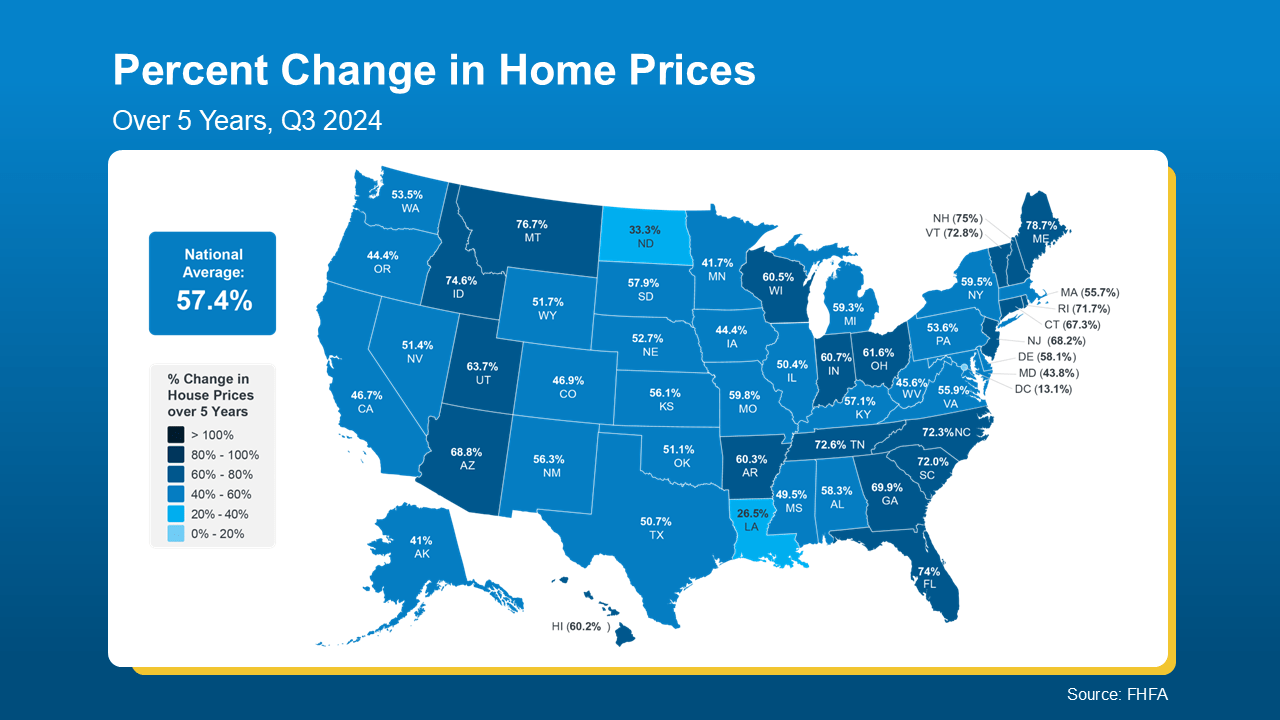 And that appreciation gave your net worth a big boost. According to Freddie Mac, over the same five-year period:
“ . . . Boomer overall wealth increased by $19 trillion, or $486,000 per household, half of which is due to house price appreciation.”
So if you’ve been in your house ever longer than that, chances are you have even more equity in your home. If you want to have access to more of the wealth you’ve built up throughout the years, it’s worth thinking about selling your house to downsize.
Selling now so you can downsize into a smaller home, or maybe one in a more affordable area, could free up your home equity so you can use a portion of it to help you feel confident retiring. Whether you want to travel, spend more time with family, or just feel financially secure, accessing the equity in your home can make a huge difference. As Chase says:
“Retirement is an exciting time. Selling your home to take advantage of the equity or to downsize to a more affordable home can open up additional options for your future.”
Here are just a few of the ways a smaller home can fuel your retirement:
1. Cut Your Cost of Living
Data from the AARP shows the number one reason adults 50 and older move is to reduce their cost of living. Downsizing to a smaller house or relocating to a more affordable area can help you lower your monthly expenses — like utilities, property taxes, and maintenance costs.
2. Simplify Your Life
A smaller home often means less upkeep and fewer responsibilities. That can free up your time and energy to focus on the things that matter most in your retirement.
3. Boost Your Financial Flexibility
Selling your current house gives you access to your equity, turning it into cash you can use however you like. Whether it’s investing, paying off debt, or creating a financial cushion, it can open up new opportunities for your future.
Downsizing is a journey, and having the right team by your side makes all the difference. With our deep expertise in helping clients transition to retirement, we're here for you every step of the way--from the first conversation about your goals to settling into your next home. We'll help you understand your equity, explore your options, and navigate the entire process smoothly, ensuring your next move supports the lifestyle you envision.
If you’re planning to retire in 2025, now may be the perfect time to downsize and unlock the equity you’ve built up in your home. Let’s start planning your move now, so you’re set up to make every day feel like a Saturday.

Welcome — we’re glad you’re here.We’re Ruth and Frank Howard, known locally as Your Howard Team, and we help homeowners across the Willamette Valley make smart, confident real ....
Need to sell your current home before you can buy your next one? A contingent offer can still win — but only if it's built right.We walk through what makes yours the one a Willamette Valley
A contingent offer on your home isn't automatically a risk — but it does come with real tradeoffs worth understanding before you sign.Here's how Oregon's contingency structure protects,
Buying a home where the seller is signing under power of attorney? The legal ground rules haven't changed — but where you focus your due diligence should.Here's what buyers in the Willamette
Selling Mom or Dad's house under power of attorney? Here's what actually changes in the transaction — from disclosure requirements to closing — and what doesn't.Read our full blog
 All information provided is deemed reliable but is not guaranteed and should be independently verified. IDX information is provided exclusively for consumers' personal, non-commercial use, that it may not be used for any purpose other than to identify prospective properties consumers may be interested in purchasing, and that the data is deemed reliable but is not guaranteed accurate by RMLSTM.
The content relating to real estate for sale on this web site comes in part from the IDX program of the RMLSTM of Portland, Oregon. Real estate listings held by brokerage firms other than Equity Oregon Real Estate are marked with the RMLSTM logo, and detailed information about these properties includes the names of the listing brokers. Listing content is copyright © 2026 RMLSTM, Portland, Oregon.
This content last updated on September 22, 2026 5:03 PM UTC at 4 AM. Some properties which appear for sale on this web site may subsequently have sold or may no longer be available.
All information provided is deemed reliable but is not guaranteed and should be independently verified. IDX information is provided exclusively for consumers' personal, non-commercial use, that it may not be used for any purpose other than to identify prospective properties consumers may be interested in purchasing, and that the data is deemed reliable but is not guaranteed accurate by RMLSTM.
The content relating to real estate for sale on this web site comes in part from the IDX program of the RMLSTM of Portland, Oregon. Real estate listings held by brokerage firms other than Equity Oregon Real Estate are marked with the RMLSTM logo, and detailed information about these properties includes the names of the listing brokers. Listing content is copyright © 2026 RMLSTM, Portland, Oregon.
This content last updated on September 22, 2026 5:03 PM UTC at 4 AM. Some properties which appear for sale on this web site may subsequently have sold or may no longer be available.
